Ever started a story full of excitement only to watch it fizzle out halfway? You know the feeling. That plot stalls because the structure lacks focus.
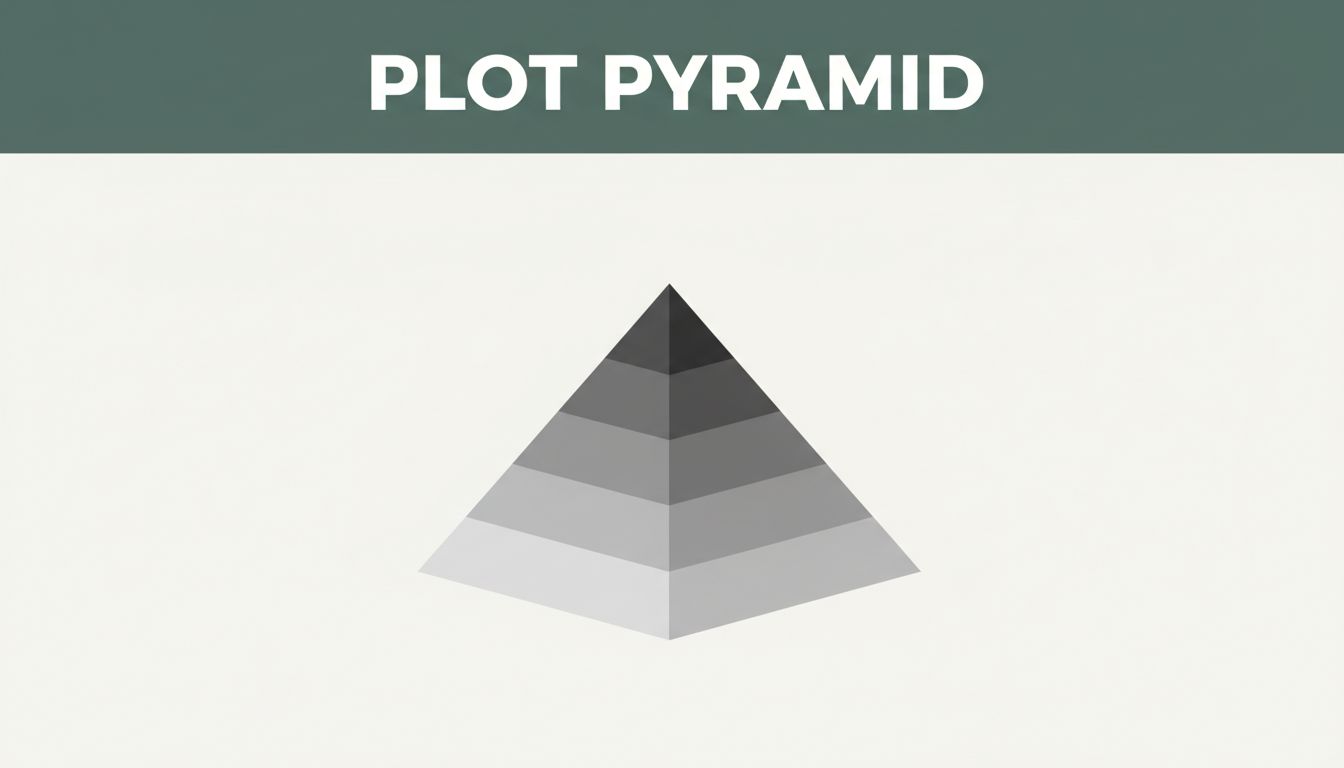
Freytag’s Pyramid offers a fix. This simple tool breaks stories into five stages of a plot: exposition, rising action, climax, falling action, and resolution. When you map the plot this way, you organize ideas, dodge plot holes, and keep readers hooked.
In this guide, you’ll get step-by-step tips for each stage. Examples from The Lion King show it in action. Plus, checklists and exercises help you apply it right away. You’ll write faster and craft stronger stories. Let’s start with the foundation.
Map Exposition to Hook Readers and Set the Scene
Exposition kicks off your story. It paints the normal world before trouble hits. You introduce main characters, the setting, and a hint of conflict. Readers need to care fast.
Think vivid details for the setting. Make your protagonist relatable with clear goals. Add supporting characters who matter. Then drop the inciting incident. That event shakes everything up.
Here’s how to map it:
- Sketch the world and time period.
- List characters and their everyday lives.
- Note the inciting incident.
- Outline two or three opening scenes.
In The Lion King, the Pride Lands thrive in peace. Young Simba bursts with curiosity. Mufasa rules as the wise king. Rafiki presents Simba at Pride Rock. Scar lurks with jealousy. The circle of life song sets a joyful tone. Then hyenas invade, hinting at danger.
Skip info dumps. Don’t bore with backstory. Focus on action and emotion instead. Show the world through character eyes.
Ask these questions: What’s normal for your hero? What disrupts it? How do you show, not tell?
Use this checklist for your story:
- World details: Sights, sounds, smells?
- Hero’s goals and flaws?
- Key supports: Friends, foes?
- Inciting incident: Clear and soon?
Map exposition first. It pulls readers in and sets stakes. Now build from there.
Build Tension Through Rising Action Mapping
Rising action forms the story’s middle. Conflicts grow here. Stakes climb higher with each obstacle. You deepen character growth and build suspense.
Expect a series of events. Complications stack up. Subplots weave in. Turning points push toward the peak.
Follow these steps to map it:
- List four to six escalating events.
- Show how each raises stakes.
- Track character changes.
- Connect everything to the main conflict.
The Lion King nails this. Simba explores with Nala but stumbles into danger. Mufasa dies in the stampede. Simba blames himself and flees into exile. He grows up carefree with Timon and Pumbaa. Yet guilt haunts him. Nala finds him. Rafiki urges return. Tension mounts as Scar’s rule crumbles the Pride Lands.
Pacing matters. Avoid flat stretches. Vary event intensity. Use “but” and “therefore” to link causes. One event leads to the next, so the plot drives forward.
| Event | Stakes Raised | Character Change |
|---|---|---|
| Hyena chase | Simba learns danger | Grows bolder |
| Mufasa’s death | Kingdom in chaos | Simba flees, guilty |
| Exile life | Pride Lands suffer | Avoids duty |
| Nala’s plea | Scar exposed | Simba doubts self |
This table shows escalation. Notice how stakes multiply. Try it for your plot. Map rising action now. It fuels the payoff ahead.
Craft a Show-Stopping Climax with Precise Mapping
The climax hits like a thunderclap. It’s the peak of tension. Your protagonist faces the biggest challenge. They make a key choice that turns the tide.
All story threads converge here. Stakes reach maximum. Expect ultimate confrontation between hero and antagonist.
Map it with these steps:
- Pinpoint the core conflict’s peak.
- Outline the protagonist versus antagonist showdown.
- Note the emotional arc payoff.
- Keep it tight, one or two chapters max.
In The Lion King, Simba returns to the withered Pride Lands. He confronts Scar on Pride Rock. Lightning flashes as truth emerges: Scar killed Mufasa. Hyenas attack. Simba fights back. He roars in victory. The rain falls, renewing the land.
Build earlier so it doesn’t flop. Make the choice irreversible. Readers feel the weight.
Ask yourself: What’s truly at stake? How does the hero change forever?
Write your climax in 100 words. Focus on emotion and action. Test if it delivers. A strong climax makes readers cheer. Next, wind it down.
Ease Down with Falling Action: Map the Aftermath Smoothly
Falling action follows the climax. It shows consequences right away. You tie up loose ends. The world shifts to a new normal.
Resolve subplots. Display changes from the peak. Hint at your themes without preaching.
Map it like this:
- List direct results of the climax.
- Wrap secondary conflicts.
- Show the hero’s growth.
- Bridge smoothly to resolution.
After Simba’s win in The Lion King, hyenas turn on Scar. He falls to his death. Rain heals the cracked earth. Animals return to Pride Rock. Simba grieves Mufasa one last time. Peace restores.
Don’t drag this part. Aim for 10 to 20 percent of the story. Use quiet reflection moments. They let emotions settle.
Common mistake: Skip it for a rushed end. Readers notice.
Checklist time:
- Direct climax results?
- Subplots closed?
- Hero transformed?
- Lingering threats gone?
Falling action prevents whiplash. It eases readers toward closure.
Seal the Deal with Resolution Mapping for Memorable Endings
Resolution wraps everything up. It reveals the new normal. Provide closure on character arcs. Leave a lasting emotional punch.
Show the transformed world. Confirm arcs complete. End hopeful or poignant. No loose ends linger.
Steps to map:
- Depict the changed world.
- Affirm character growth.
- Echo the start for bookends.
- Stay short and satisfying.
The Lion King ends perfect. Simba takes the throne. His cub appears on Pride Rock. The circle of life song returns. Joy circles back to the opening.
Avoid twists that cheat expectations. Echo exposition images. Readers love that full-circle feel.
Outline your resolution now. Link it to the start. Does it satisfy? Great endings stick with readers long after.
Your Plot Mapping Action Plan: Tools and Next Steps
Pull all stages together. Draw Freytag’s Pyramid on paper. Fill top to bottom: exposition 25 percent, rising action 50 percent, climax 10 percent, falling 10 percent, resolution 5 percent. Revise for balance.
Tools help. Use a Google Docs table. Try free apps like Plottr or yWriter for visuals.
The Lion King recap: Exposition sets sunny Pride Lands. Rising action piles tragedy and growth. Climax battles on the rock. Falling shows healing. Resolution crowns Simba. Perfect arc.
Watch for pitfalls. Uneven pacing kills flow. Weak links between events confuse. Layer arcs: hero, villain, subplots add depth.
Advanced tip: Track multiple lines on one pyramid. Hero rises, villain falls.
Grab your notebook. Map your work-in-progress today. You’ll spot gaps fast.
Ready to Map Your Plot and Write Hits?
You’ve got the five stages of a plot down. Mapping them with Freytag’s Pyramid turns messy drafts into tight stories. Practice on your next idea.
Start simple. Sketch one stage per day. Watch your writing speed up.
Map your plot today. Share in the comments: What’s your favorite example? Or your biggest struggle? Let’s chat.
Your next bestseller starts with a solid plot map. Go make it happen.