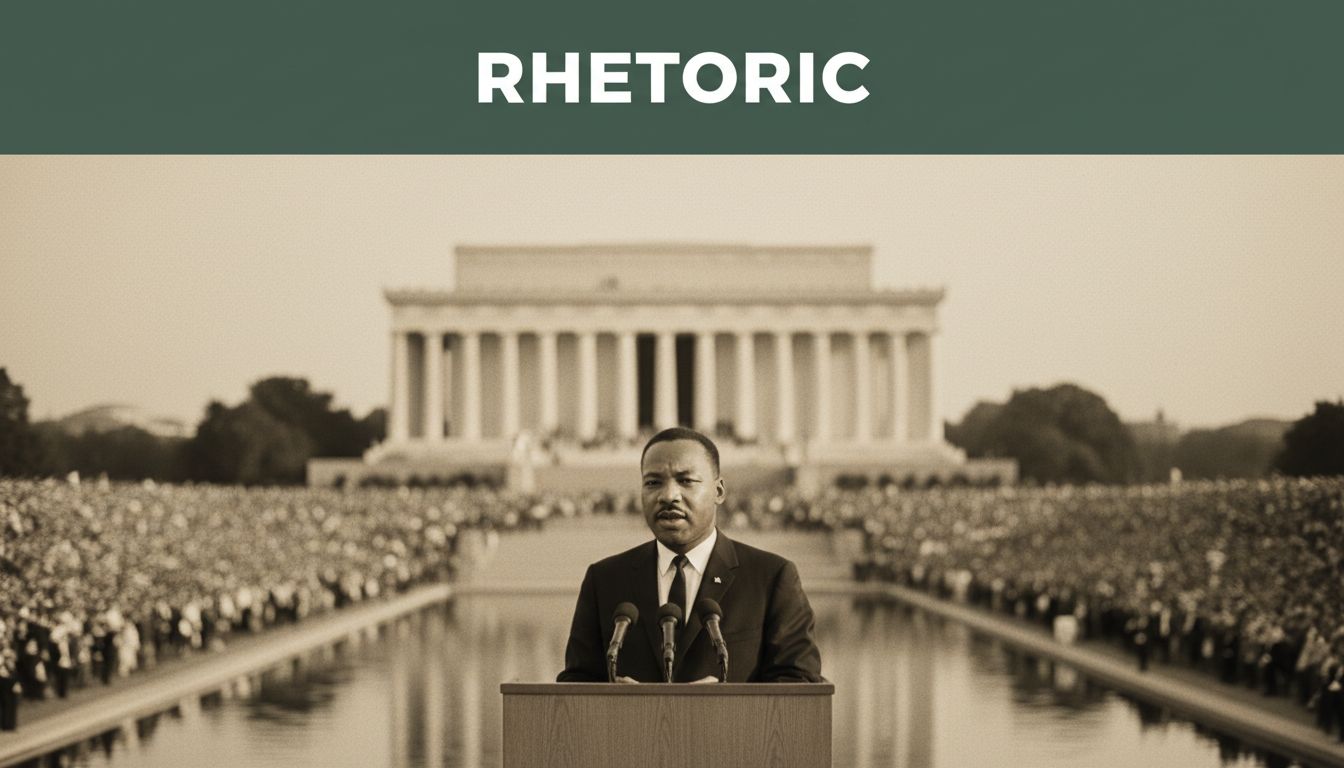
Picture Martin Luther King Jr. on the steps of the Lincoln Memorial in 1963. His “I Have a Dream” speech stirs crowds with vivid dreams of equality, draws on his moral authority as a leader, and repeats logical pleas for justice. That moment shows rhetorical appeals in action. These three tools come from ancient Greece. Aristotle named them ethos, pathos, and logos. They persuade by building trust, touching emotions, or using facts.
You meet them daily. Ads tug at your heart. Politicians cite credentials. Debates throw stats your way. Spotting them helps you think sharper. You avoid tricks in sales pitches or news. Plus, you craft better arguments in emails, meetings, or posts. No more falling for empty hype.
This guide breaks it down. First, learn ethos for credibility. Next, pathos for feelings. Then logos for logic. See checklists and examples along the way. Finally, mix them like pros do. You’ll walk away with tools to analyze any message fast.
Spot Ethos Fast: Recognize Credibility at Work
Ethos makes you trust the speaker. It shows their character, skills, or honesty. People listen because the source seems reliable. A doctor shares years of training. You nod along.
Speakers build ethos with proof. They list degrees or past wins. Endorsements from experts help too. It grabs attention right away. Think of a teacher who says, “I’ve taught this for 20 years.” You lean in.
Ethos appears everywhere. Job interviews highlight resumes. Product reviews name user experience. It sets the tone before facts hit.
Ready to spot ethos in real messages?
Clear Signs of Ethos in Any Message
Look for these clues. They signal credibility efforts.
- Speaker cites degrees or years in the field. A lawyer notes, “With my law degree from Harvard…”
- Uses “we” to share values. “We all want safe roads, so let’s fix them.”
- Gets backing from known authorities. “The American Medical Association agrees.”
- Admits small flaws for honesty. “I failed once, but learned from it.”
- Dresses or acts professional. A suited expert on TV looks the part.
Each sign boosts belief. Spot one, and ethos kicks in.
Ethos Examples from Ads, Speeches, and Life
Ads love ethos. A toothpaste spot shows dentists in white coats praising the brand. Their expertise sells clean teeth.
Politicians lean on it. A candidate boasts, “30 years serving our state.” Voters see steady hands.
Fitness influencers post client transformations. Before-and-after photos prove results. Fans trust the routine.
Brands pick celebrities. A sports star endorses shoes. Fans buy because they admire the athlete.
These work because trust leads. You follow proven sources.
Ethos Checklist: Your Quick Identification Tool
Use this yes/no list. Tally your score.
- Qualifications like degrees mentioned?
- Trusted sources or experts quoted?
- Past successes or experience shared?
- “We” language builds common ground?
- Honest flaws admitted?
- Professional look or tone?
Score 4 or more? Strong ethos. Under 2? Question it. Watch for fakes like paid reviews. Real ethos stands on facts.
Uncover Pathos: See Emotions Driving Decisions
Pathos hits your feelings. It stirs joy, fear, anger, or pity. Stories and images connect fast. You feel before you think.
Charity ads show hungry kids. Your heart aches. Political rallies chant for change. Crowds roar.
It sways without proof. Ever cry at a lost dog video? Pathos pulls strings.
Pair it with facts for balance. Alone, it fades quick.
Telltale Signs Pathos Is Pulling Heartstrings
Check these markers. Emotions shine through.
- Personal stories of pain or win. “She lost her home in the storm.”
- Loaded words like “devastating” or “uplifting.”
- Vivid details you sense. “The cold rain soaked their thin clothes.”
- Questions that spark care. “How would you feel alone?”
- Images of faces or families in need.
These grab you quick. Your pulse rises.
Pathos in Action: Examples That Hit Home
ASPCA ads play sad piano over abused pets. Eyes plead from the screen. You donate on impulse.
A speech on factory closures paints family struggles. “Kids go hungry while parents search.” Anger builds.
Product ads show smiling friends using gadgets. Laughter spreads joy. You want in.
Social posts on unfair laws share victim tales. Outrage spreads shares.
Emotions drive shares and action here.
Pathos Detector Checklist for Everyday Use
Scan with these items.
- Story of struggle or joy told?
- Emotions like fear or hope named?
- People-focused images used?
- Sensory words paint pictures?
- Empathy questions asked?
High marks mean pathos rules. Balance it with facts. Overuse feels manipulative, like fake tears.
Decode Logos: Pinpoint Logic and Solid Evidence
Logos uses reason. Stats, steps, and causes prove points. It says “because” to your brain.
Debates cite polls. Reviews list pros and cons. Science talks share data.
It beats opinions. Facts stack up. But pair with trust and heart for wins.
Can cold logic warm hearts too?

Sales growth backed by clear stats.
Spot-On Indicators of Strong Logos
Hunt these proofs.
- Numbers and stats given. “Sales rose 25% last year.”
- Causes and effects linked. “Rain caused the delay, so we rescheduled.”
- Comparisons made. “This car gets better miles than that one.”
- Studies from experts cited. “Harvard research shows…”
- Step-by-step logic. “First mix, then bake.”
Logic flows clear.
Logos Examples That Make Sense Immediately
Car ads quote crash tests. “Five stars from NHTSA.” Safety sells.
Diet plans share trial data. “Participants lost 10 pounds in 12 weeks.” Results convince.
Debates use polls. “60% agree on tax cuts.” Numbers back claims.
Reviews compare features. “Battery lasts twice as long.” Buyers decide.
Reason rules these cases.
Logos Verification Checklist to Trust Facts
Test with this.
- Sources reliable and named?
- Data current, not old?
- Math adds up right?
- Studies real and linked?
- Logic steps complete?
- No cherry-picked stats?
Verify fast. Good logos holds water.
Blend the Appeals: Analyze Full Messages Like a Pro
Great persuaders mix all three. Ethos sets trust. Pathos adds heart. Logos seals with facts. One alone limps.
Balance strengthens. Weak ethos kills logic. Pure pathos lacks proof.
See how they team up.
| Appeal | Builds | Example Tool | Strength |
|---|---|---|---|
| Ethos | Trust | Credentials | Grabs first |
| Pathos | Emotion | Stories | Motivates |
| Logos | Reason | Data | Convinces |
This mix wins big.
Iconic Examples Mixing Ethos, Pathos, Logos
JFK’s moon speech. Ethos: His presidency. Pathos: “We choose to go.” Logos: Tech challenges outlined.
Apple ads. Ethos: Sleek brand. Pathos: Creative joy. Logos: Feature specs listed.
Climate talks. Ethos: Scientist badges. Pathos: Flooded homes. Logos: Temp rise charts.
Each layer reinforces.
Step-by-Step Guide to Spot All Three Together
Follow these steps.
- Read the full message once.
- Ask: Who speaks? What claim? Why now?
- Hunt ethos: Credentials?
- Find pathos: Emotions stirred?
- Check logos: Facts back it?
- Score balance: All present?
- Note purpose: Sell or inform?
Practice on an ad. Note what dominates.
Spotting rhetorical appeals sharpens your mind. Ethos builds trust. Pathos moves you. Logos proves it. Together, they persuade best.
Apply this today. Scan news or talks. Use checklists on speeches you love.
Try it now. Pick a favorite ad. Which appeal stands out? Share examples in comments. Pass this to friends. Subscribe for more skills.
You persuade stronger. You spot tricks easier. Think clear, act smart.